Greener, healthier cities
Parks, trees, and green infrastructure—what they actually do for heat, health, and equity when you measure them honestly.
Explore projects →George Mason University Korea
Green × Urban Lab
We combine data science and urban planning to see how policy, infrastructure, and ecology shape the environment—and how cities can become more sustainable, equitable, and resilient.
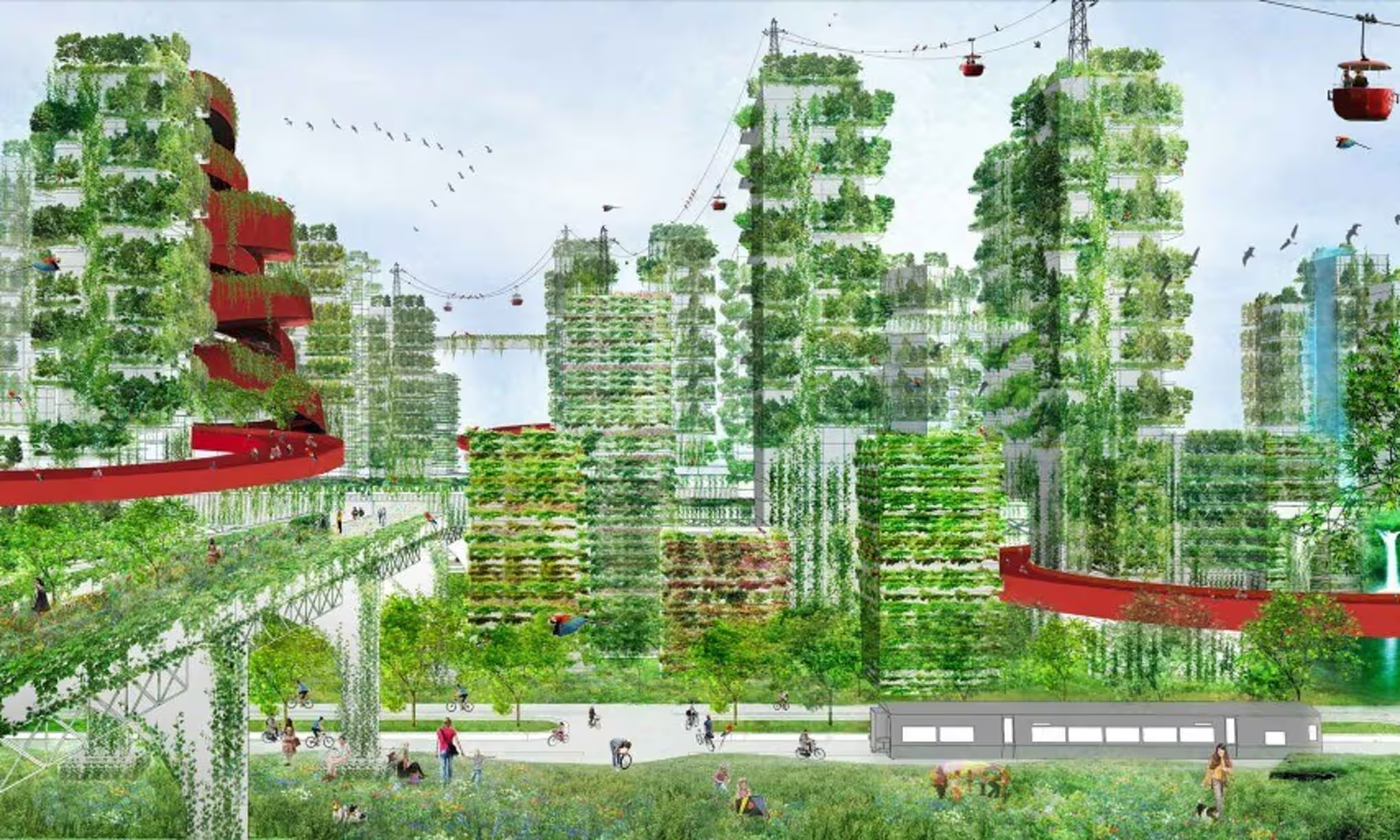
Yeonsu-gu, Incheon · 37.39° N — Where we read the city like a dataset
Cities hide patterns that shape daily life. Like the best design stories, the important parts are often invisible until you measure them. We use data to learn what actually works for healthier, more sustainable urban environments—not assumptions, but tested impact.
We believe in open science and many voices around the table. Students, collaborators, and communities help us build knowledge that is rigorous and usable—training planners and scientists who can lead what's next.

Est. Mason Korea
The Green × Urban Lab is based at George Mason University Korea within the Department of Environmental Science and Policy.
We work with motivated students and external partners. Roles vary by semester—when we have structured openings, we post them here and on university channels.
We occasionally host undergraduates through URSP, independent study, or similar programs. Send a CV and a short note on your interests.
How to reach us →We welcome joint projects with researchers, cities, and NGOs. Share a brief idea and timeline to start a conversation.
Contact the PI →We do not currently admit PhD students through this lab.
How we think, build, and collaborate.
Parks, trees, and green infrastructure—what they actually do for heat, health, and equity when you measure them honestly.
Explore projects →ML, satellites, and geospatial models to see urban systems in new ways—and to support decisions, not just dashboards.
See methods →Partnerships with researchers, cities, and communities—research co-created so it stays relevant when it leaves the lab.
Partner with us →Themes that show up again and again in our projects.
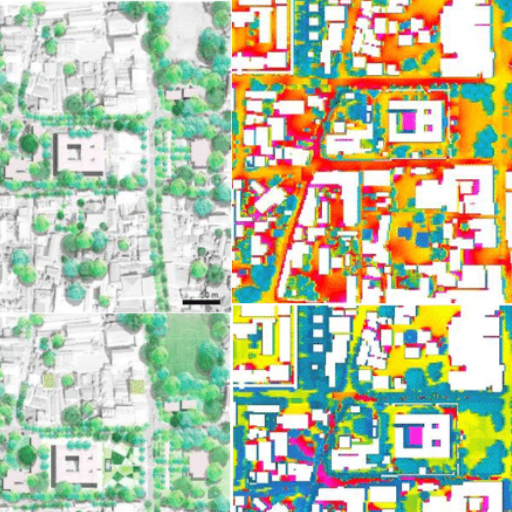
UHI, CFD, and pollution linked to urban form—turning simulation into guidance.
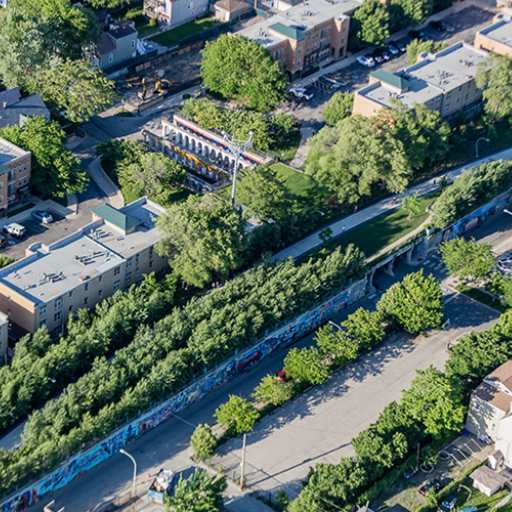
Nature-based solutions, morphology, resilience, biodiversity, and wellbeing.
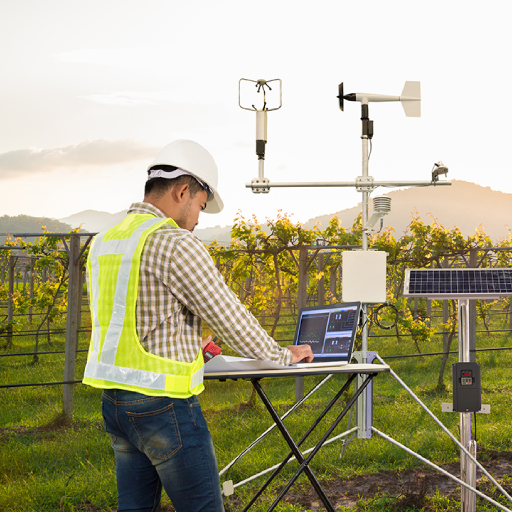
Satellites to sensors—tracking air, floods, land cover for models and decisions.
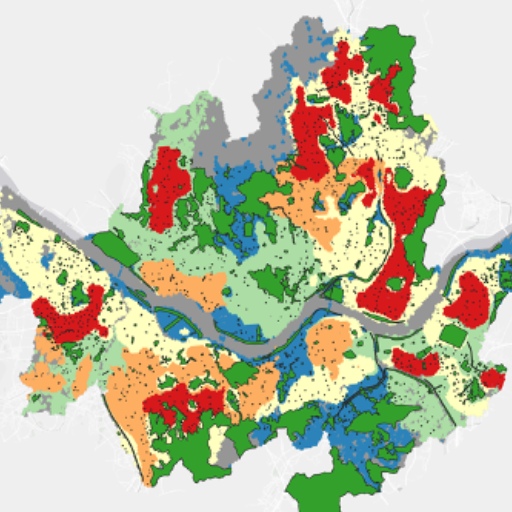
Who benefits from change? Proximity, access, and the X-minute city.
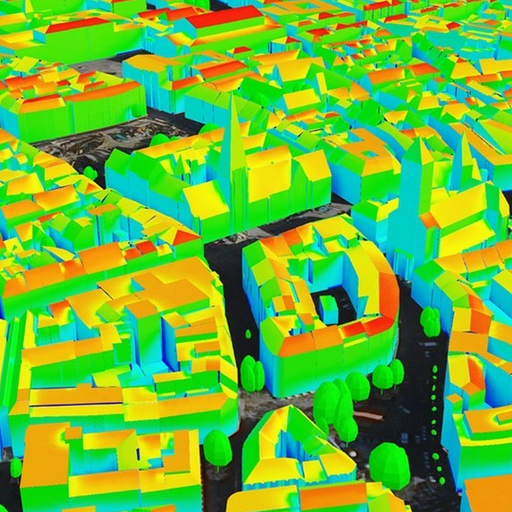
Agent-based and ML-driven city labs to test futures before they happen.
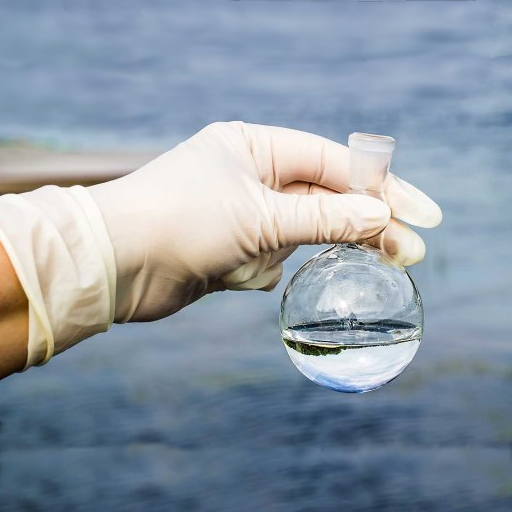
Interacting agents in synthetic cities—stress-testing policy, mobility, and infrastructure before deployment.
Lab log